

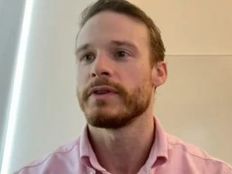
This past week, T. Rowe Price Multi-Asset Portfolio Manager Sean McWilliams joined VettaFi’s Alternatives Symposium to talk about the growing hedged equity ETF category. The category, offering a variety of hedged and buffer-type strategies, has seen a spike in interest in recent years. McWilliams offered his thoughts as part of a segment on the topic hosted by VettaFi senior industry analyst Kirsten Chang.
See more: Are Markets Wrong About Inflation? Active Bond ETFs Can Help
McWilliams, who joined the company in 2009, manages the T. Rowe Price Hedged Equity ETF (THEQ ). He discussed that ETF as part of his appearance. The fund charges a 46 basis point (bps) fee to actively investing with a long core equity strategy, paired with a derivatives-based hedging approach.
McWilliams explained that the core component of the ETF includes equities identified with the firm’s active, fundamental research-focused approach. In addition to the core equity exposure, the THEQ also hedges against market volatility through a mix of assets. Using more than just options, he said, helps the fund maintain some degree of beta compared to just protective options.
“We think we can do that a bit more efficiently and directly,” he said. “Shorting futures to reduce the beta, as well as when volatility is elevated, further reducing equity exposure in the portfolio.”
THEQ and Options ETFs
“We do use a process driven approach of active management to put options in the portfolio,” he added. “So the main thing we’re looking for there is to take advantage of those periods where implied volatility spikes, when equity markets are drawing down. You get an additional hedging and return benefit from the options positions.”
He explained that funds like THEQ have offered a kind of alternative route to lower risk in portfolios. Hedged equity ETFs overall have replaced the first generation of low-vol ETFs.
Chang prompted McWilliams to opine on whether the market conditions call for downside protection strategies like hedged ETFs given historic concentration in megacaps, for example. Responding to a further question about the underlying mechanics of THEQ, McWilliams noted that advisors should know what they own.
“Maybe more importantly, it’s difficult sometimes to know what you own with some of the complexities of these products,” he said. “It’s important to partner with a manager who you trust … to walk you through the mechanics of these products”
Looking ahead, ETFs like THEQ could present a helpful choice for risk-averse investors. Though a recent launch this year, the active strategy could be one to watch.
For more news, information, and analysis, visit our Active ETF Content Hub.

