

Introduction
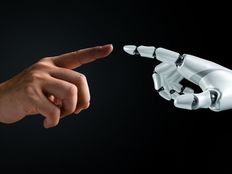
In an era where automation is becoming an integral part of our daily lives, the ability to teach robots complex tasks is a significant milestone in robotics. As technology evolves, researchers are developing methods to enable robots to learn and perform tasks that require fine motor skills, adaptability, and a level of physical intelligence comparable to humans. This post explores the exciting advancements in human-robot learning, showcasing how we can teach robots to mimic human actions and improve their capabilities in various domains.
The Concept of Human-Robot Learning
Human-robot learning is a rapidly evolving field focused on enabling robots to imitate human skills and behaviors. At its core, the concept revolves around the idea that robots can learn from human movements, understanding subtle nuances such as muscle coordination and gaze direction. By analyzing this data, researchers aim to create robotic systems capable of performing tasks with increasing precision and adaptability, gradually approaching or surpassing human-like dexterity in specialized tasks.
Techniques for Teaching Robots
Applications of Human-Robot Learning
The process of teaching robots complex tasks involves several advanced techniques and technologies:
- Data Collection: Data collection is fundamental to teaching robots how to perform human-like actions. This process can involve setting up cameras and sensors to track the position, movement, and force of the body during specific tasks. It can also include techniques like gaze tracking—which monitors where a person focuses during a task—and muscle movement analysis through electromyography (EMG) to measure how humans engage muscles for precise tasks.
- Teleoperation: Teleoperation involves humans remotely controlling robots, allowing the robots to learn from real-time human actions. This technique is especially useful in complex environments such as surgery or hazardous situations. Over time, robots can transition from being fully teleoperated to semi-autonomous, learning through feedback from these controlled experiences.
- Simulation: Beyond physical data collection and teleoperation, simulation learning enables robots to train in virtual environments. In simulation, robots can perform tasks repeatedly, refining their algorithms without the risks and costs associated with real-world training. Simulation also allows for faster learning, as robots can be exposed to a broader range of scenarios than they would in the physical world.
By integrating these data sources, researchers can create sophisticated algorithms that translate human behaviors into robotic programming. This methodology allows robots to learn from examples, improving their performance over time through a process akin to human learning.
The potential applications of human-robot learning are vast and transformative:
- Healthcare: Robots trained to assist in surgical procedures can enhance precision and reduce the risk of human error. Additionally, robotic companions can aid in elderly care, helping with daily activities and providing companionship.
- Manufacturing: In industrial settings, robots that can learn complex assembly tasks can improve production efficiency and quality. By replicating the motions of skilled human workers, robots can adapt to different tasks without extensive reprogramming.
- Service Industry: In hospitality and service sectors, robots trained in human interaction and fine motor tasks can enhance customer experiences. For example, they can serve food, assist with check-ins, or provide information to guests.
- Hazardous Environments: Robots trained using multimodal data (movement, sensors, environmental feedback) can perform dangerous tasks like bomb disposal or deep-sea exploration. By learning from human actions and adapting to new conditions, they can operate safely where humans cannot (or should not).
Challenges and Considerations
While the advancements in human-robot learning are promising, several challenges remain:
- Technical Challenges: Replicating the subtlety and adaptability of human movements is difficult for robots, particularly in unpredictable environments. Current systems may struggle with tasks requiring fine motor skills, adaptability, or real-time decision-making.
- Ethical Considerations: As robots become more integrated into society, ethical questions arise regarding their interactions with humans. Ensuring safety and comfort in human-robot relationships is crucial, particularly in caregiving scenarios.
- Future of Physical Intelligence: The pursuit of physical intelligence in robots is ongoing. Researchers continue to explore how robots can not only replicate human movements but also adapt to new tasks dynamically.
Conclusion
The advancements in human-robot learning represent a significant leap toward creating robots that can seamlessly integrate into our lives and work alongside us. As we continue to refine the methods for teaching robots complex tasks, the potential for enhancing various industries grows. With each step forward, we move closer to a future where robots possess a level of physical intelligence and adaptability that complements human capabilities. The journey is just beginning, and the possibilities are boundless.
Don’t miss the chance to dive deeper into the future of AI and robotics! Watch the replay of October’s insightful webinar featuring award-winning robotics pioneer Dr. Daniela Rus and industry expert Zeno Mercer as they explore how smaller, more efficient AI models, hybrid intelligence, and cutting-edge robotics are transforming industries. Whether you’re curious about the latest advancements in robotics or want to see how AI-driven robots will shape the next decade, this webinar is a must-watch for tech enthusiasts and forward-thinking investors.
Catch the replay and stay ahead in the rapidly evolving world of AI and robotics!
For more news, information, and analysis, visit our Disruptive Technology Channel.

