

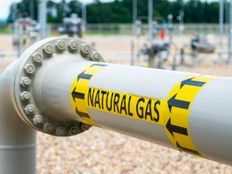
For financial advisors, the recent volatility in natural gas prices serves as a reminder of the risks inherent in direct commodity exposure. Instead, investors can get natural gas exposure and potentially mitigate short-term volatility by focusing on midstream.
For natural gas prices, this winter has seen remarkable market turbulence tied to the weather. Henry Hub prices surpassed $5 per million British thermal unit (MMBtu) in early December, only to retreat to $3 before a massive January cold snap sent spot prices above $7.
During extreme cold as demand peaks, well freeze-offs can sideline producers. That limits their ability to capitalize on short-term price spikes. The inherent volatility and seasonality in natural gas prices, often driven by the weather, can make it uninvestable.
Midstream: A Defensive Alternative
That said, many expect natural gas demand to see significant growth in the coming years driven by rising exports and power demand. For investors looking to capitalize on growing North American natural gas demand with less turbulence, midstream is worth considering.
The defensiveness of the midstream space lies in its unique, fee-based business model. Natural gas producers’ profits hinge on whether gas is $3.00 or $7.00. Midstream companies, however, provide essential services, including natural gas transportation and storage, under long-term contracts — often spanning 20 years for pipelines. This structure provides visibility into future cash flows, setting the segment apart from other energy subsectors. Midstream benefits from growing demand (and production), while remaining insulated from day-to-day volatility in natural gas prices.
Most large energy infrastructure companies’ EBITDA is fee-based, regulated, or covered by take-or-pay provisions. These “take-or-pay” clauses are a vital safety net. They require the customer to pay for pipeline capacity regardless of how much gas they actually ship. This model allows midstream to generate steady cash flow through volatile commodity price backdrops. That cash flow supports generous dividends.
Midstream ETFs Offer Natural Gas Exposure
Investors can gain exposure to midstream companies via energy infrastructure ETFs, including the Alerian MLP ETF (AMLP ) and the Alerian Energy Infrastructure ETF (ENFR ).
AMLP provides exposure to the Alerian MLP Infrastructure Index (AMZI). AMZI is a capped, float-adjusted, capitalization-weighted composite of energy infrastructure MLPs that generate most of their cash flow from midstream activities.
ENFR provides exposure to the Alerian Midstream Energy Select Index (AMEI). AMEI is a composite of North American midstream energy infrastructure companies, including C-corps and MLPs, engaged in the pipeline transportation, storage, and processing of energy commodities.
Looking for midstream insights in your inbox? Subscribe here to keep a pulse on midstream investing through our weekly updates.
For more news, information, and analysis, visit the Energy Infrastructure Content Hub.
vettafi.com is owned by VettaFi LLC (“VettaFi”). VettaFi is the index provider for AMLP and ENFR, for which it receives an index licensing fee. However, AMLP and ENFR are not issued, sponsored, endorsed, or sold by VettaFi, and VettaFi has no obligation or liability in connection with the issuance, administration, marketing, or trading of AMLP and ENFR.

