
ETFdb Logo
  • ETF Database
  • Content Hubs
    • Themes
      • Active ETF
      • Alternatives
      • Artificial Intelligence
      • China Insights
      • Core Strategies
      • Crypto
      • Disruptive Technology
      • Energy Infrastructure
      • ETF Building Blocks
      • ETF Investing
      • ETF Strategist
      • Financial Literacy
      • Fixed Income
      • Free Cash Flow
      • Future ETFs
      • Innovative ETFs
      • Institutional Income Strategies
      • Leveraged & Inverse
      • Market Insights
      • Market Outlooks
      • Modern Alpha
      • Nuclear Energy
      • Portfolio Strategies
      • Sector Investing
      • Tax Efficient Income
      • Thematic Investing
    • Asset Class
      • Equity
        • U.S. Equity
        • Int'l Developed
        • Emerging Market Equities
      • Alternatives
        • Gold/Silver/Critical Materials
        • Cryptocurrency
        • Currency
        • Volatility
      • Fixed Income
        • Investment Grade Corporates
        • US Treasuries & TIPS
        • High Yield Corporates
        • Int'l Fixed Income
    • ETF Ecosystem
    • ETFs in Canada
    • Market Outlook
    • Crypto ETF Hub
  • Tools
    • ETF Screener
    • ETF Country Exposure Tool
    • ETF Database Categories
    • Indexes
    • Scenario Analysis
    • Watchlists
    • Head-To-Head ETF Comparison Tool
    • Mutual Fund To ETF Converter
    • ETF Stock Exposure Tool
    • ETF Issuer Fund Flows
  • Research
    • ETF Education
    • Equity Investing
    • Dividend ETFs
    • Leveraged ETFs
    • Inverse ETFs
    • Index Education
    • Index Insights
    • Top ETF Sectors
    • Top ETF Issuers
    • Top ETF Industries
  • Webcasts
  • Sectors
    • Sector Investing Content Hub
    • XLK
    • XLI
    • XLU
    • XLY
    • XLP
    • XLRE
    • Sector Power Rankings
    • XLE
    • XLC
    • XLF
    • XLV
    • XLB
  • Multimedia
    • ETF 360 Video Series
    • ETF of the Week Podcast
    • Gaining Perspective Podcast
    • ETF Prime Podcast
    • Video
  • Company
    • About VettaFi
  • PRO
    • Pro Content
    • Pro Tools
    • Advanced
    • FAQ
    • Free sign up
    • Login
  1. Energy Infrastructure Content Hub
  2. Why U.S. LNG Growth Is Supportive for ENFR’s Performance
Energy Infrastructure Content Hub
Share

Why U.S. LNG Growth Is Supportive for ENFR’s Performance

Elle Caruso FitzgeraldMar 12, 2026
2026-03-12

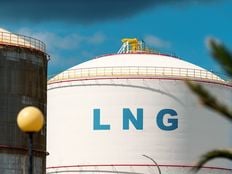
The ongoing 2026 Iran conflict has placed a significant spotlight on global Liquefied Natural Gas (LNG) markets. 

Approximately 20% of global LNG trade typically flows through the Strait of Hormuz, primarily originating from Qatar, the world’s second-largest exporter. Following a recent Iranian drone strike, the massive Ras Laffan LNG facility was forced to shut down. This single facility represents nearly a fifth of the global LNG supply. Consequently, the European LNG benchmark has surged 58% since the conflict began through March 11.

Against this backdrop, the liquefaction subsector in the Alerian Energy Infrastructure ETF (ENFR ) has remained a focal point for advisors. While global supply faces shocks, U.S. export policy has remained supportive of domestic midstream providers. The Department of Energy recently approved a 12% increase in authorized exports from Cheniere’s Corpus Christi facility, adding 0.47 Bcf/d.

ENFR surged 9.5% in February, handily outpacing the S&P 500, which fell 0.9% during the month. Energy remains the best-performing S&P 500 sector so far in 2026. 

Long-Term LNG Growth & Infrastructure

ENFR has been supported by long-term LNG contracting that accelerated throughout 2025. LNG is expected to be the largest driver of natural gas demand growth in North America over the coming years (read more). According to a recent Energy Information Administration (EIA) analysis, U.S. developers signed 40 million tons per annum (mtpa) of long-term sale and purchase agreements last year. This is the highest annual volume since 2022 and reinforces project visibility across the sector.

ENFR is strategically positioned to capture this opportunity. Around 71% of the fund’s underlying index is linked directly to the natural gas value chain. At the end of February, the portfolio allocated 36.5% to natural gas pipeline transportation, 27.0% to gathering & processing (G&P), and 7.5% to liquefaction. These fee-based businesses are designed to prioritize throughput and contractual stability over direct commodity price exposure.

U.S. LNG export capacity is currently on track to double by 2031, based on projects currently under construction. As these large-scale projects come online, they drive increased natural gas volumes through the G&P and pipeline systems where ENFR is most heavily concentrated. 

Looking for midstream insights in your inbox? Subscribe here to keep a pulse on midstream investing through our weekly updates.

For more news, information, and analysis, visit the Energy Infrastructure Content Hub.

vettafi.com is owned by VettaFi LLC (“VettaFi”). VettaFi is the index provider for ENFR, for which it receives an index licensing fee. However, ENFR is not issued, sponsored, endorsed, or sold by VettaFi, and VettaFi has no obligation or liability in connection with the issuance, administration, marketing, or trading of ENFR.


Content continues below advertisement

Loading Articles...

Advertisement

Is Your Portfolio Positioned With Enough Global Exposure?

ETF Education Channel

How to Allocate Commodities in Portfolios

Tom LydonApr 26, 2022
2022-04-26

A long-running debate in asset allocation circles is how much of a portfolio an investor should...

Core Strategies Channel

Why ETFs Experience Limit Up/Down Protections

Karrie GordonMay 13, 2022
2022-05-13

In a digital age where information moves in milliseconds and millions of participants can transact...

}
X