ETFdb Logo
  • ETF Database
  • Content Hubs
    • Themes
      • Active ETF
      • Alternatives
      • Artificial Intelligence
      • China Insights
      • Core Strategies
      • Crypto
      • Disruptive Technology
      • Energy Infrastructure
      • ETF Building Blocks
      • ETF Investing
      • ETF Strategist
      • Financial Literacy
      • Fixed Income
      • Free Cash Flow
      • Future ETFs
      • Innovative ETFs
      • Institutional Income Strategies
      • Leveraged & Inverse
      • Market Insights
      • Market Outlooks
      • Modern Alpha
      • Nuclear Energy
      • Portfolio Strategies
      • Sector Investing
      • Tax Efficient Income
      • Thematic Investing
    • Asset Class
      • Equity
        • U.S. Equity
        • Int'l Developed
        • Emerging Market Equities
      • Alternatives
        • Gold/Silver/Critical Materials
        • Cryptocurrency
        • Currency
        • Volatility
      • Fixed Income
        • Investment Grade Corporates
        • US Treasuries & TIPS
        • High Yield Corporates
        • Int'l Fixed Income
    • ETF Ecosystem
    • ETFs in Canada
    • Market Outlook
    • Crypto ETF Hub
  • Tools
    • ETF Screener
    • ETF Country Exposure Tool
    • ETF Database Categories
    • Indexes
    • Scenario Analysis
    • Watchlists
    • Head-To-Head ETF Comparison Tool
    • Mutual Fund To ETF Converter
    • ETF Stock Exposure Tool
    • ETF Issuer Fund Flows
  • Research
    • ETF Education
    • Equity Investing
    • Dividend ETFs
    • Leveraged ETFs
    • Inverse ETFs
    • Index Education
    • Index Insights
    • Top ETF Sectors
    • Top ETF Issuers
    • Top ETF Industries
  • Webcasts
  • Sectors
    • Sector Investing Content Hub
    • XLK
    • XLI
    • XLU
    • XLY
    • XLP
    • XLRE
    • Sector Power Rankings
    • XLE
    • XLC
    • XLF
    • XLV
    • XLB
  • Multimedia
    • ETF 360 Video Series
    • ETF of the Week Podcast
    • Gaining Perspective Podcast
    • ETF Prime Podcast
    • Video
  • Company
    • About VettaFi
  • PRO
    • Pro Content
    • Pro Tools
    • Advanced
    • FAQ
    • Free sign up
    • Login
  1. The Responsible Investing Content Hub
  2. EPA Targets Greenhouse Emissions and HFC Use
The Responsible Investing Content Hub
Share

EPA Targets Greenhouse Emissions and HFC Use

Karrie GordonSep 23, 2021
2021-09-23

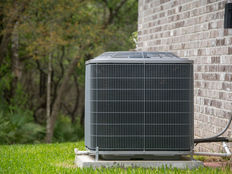
In its first domestic regulation regarding greenhouse gas emissions, the EPA, under the guidance of the Biden Administration, announced cutbacks on hydrofluorocarbons (HFCs) used in refrigerators and air-conditioners, reported CNBC.

HFCs are thousands of times more harmful to the atmosphere than carbon dioxide, and this cutback marks the first time that there has been any kind of federal regulation on the harmful greenhouse gas.

The EPA said that this reduction would potentially reflect a 0.5 degree Celsius differential by the end of the 21st century and equates to roughly a 4.7 billion metric ton reduction of carbon dioxide by 2050. This is the equivalent of three times what the U.S.’s power sector produced in emissions in 2019, the EPA said in a briefing on Wednesday.

Regulation of the chemical will go into effect next year and sets goals that will reduce production and imports by 85% over the next fifteen years. This move comes at time when HFC emissions are on the rise, with record-setting heat causing Americans to run air-conditioning more often. The EPA recorded a rise in HFCs between 2018 and 2019 due to historically high temperatures.

“As we move in this direction, we are also opening up a huge opportunity for American industries,” Gina McCarthy, White House climate advisor, said during the briefing. “Reducing HFCs is a huge climate success story.”

Reducing Emissions With SPDR

Greenhouse gas emissions are a major focus as companies and regulators look to set sustainability guidelines and goals to reduce global warming.

For investors looking to invest in reduced emissions, the SPDR MSCI ACWI Low Carbon Target ETF (LOWC A-) offers investors exposure to companies with low carbon emissions and fossil fuel reserves.

The fund tracks the MSCI ACWI Low Carbon Index. This index reweights securities in the MSCI All-Country World Index (ACWI) to favor lower carbon emissions as well as lower fossil fuel reserves.

The benchmark overweights companies with low carbon emissions relative to sales and also companies with low potential carbon emissions, offering lower carbon exposure when compared to the broad market.

LOWC’s top five sector allocation include information technology at 22.5%, financials at 15.01%, consumer discretionary at 12.2%, healthcare at 11.83%, and industrials at 10.33%.

The ETF carries an expense ratio of 0.20%.

For more news, information, and strategy, visit the ESG Channel.


Content continues below advertisement

Loading Articles...

Advertisement

Is Your Portfolio Positioned With Enough Global Exposure?

ETF Education Channel

How to Allocate Commodities in Portfolios

Tom LydonApr 26, 2022
2022-04-26

A long-running debate in asset allocation circles is how much of a portfolio an investor should...

Core Strategies Channel

Why ETFs Experience Limit Up/Down Protections

Karrie GordonMay 13, 2022
2022-05-13

In a digital age where information moves in milliseconds and millions of participants can transact...

}
X
