


Income investors seeking the potential benefits of an actively managed strategy this year should consider the Parametric Equity Premium Income ETF (PAPI ). The fund combines dividends income with a systematic options writing strategy to generate income for investors.
This year is off to a rocky start, with surging risks leading to ongoing market volatility. Geopolitical risks, tariff risks, trade wars, and more threaten 2025 markets, creating a complex environment for investors to navigate.
Options writing strategies generally benefit during periods of elevated volatility. These types of strategies earn higher premiums when volatility spikes, making strategies using options-based income an appealing choice in the current market environment.
The Parametric Equity Premium Income ETF (PAPI) seeks to generate consistent monthly income as well as capital appreciation. It does so by investing in an actively managed portfolio of dividend-paying equities chosen from the Russell 3000. It uses top-down, systematic analysis to select quality companies.
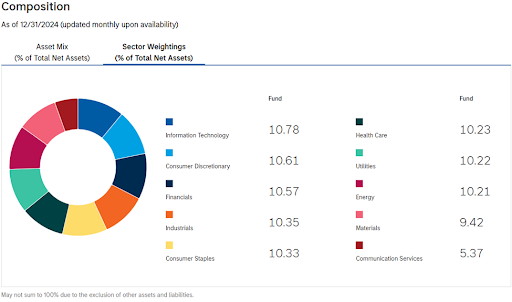
The strategy seeks stable, dividend-paying companies while diversifying its equity exposures. Companies included demonstrate 12 months of high current income and reduced risk within their sectors. The quality equity portfolio is also diversified across sectors, with sectors equally weighted.
Under the Hood of the Systematic Options Writing Income Strategy
Parametric Portfolio Associates LLC, the sub-advisers of the fund, use a systematic approach to writing short-dated, laddered, out-of-the-money calls on the S&P 500 Index or the SPDR S&P 500 ETF Trust (SPY ).
A covered call option entails selling the right (but not obligation) to buy an underlying stock at an agreed-upon strike price by a specific date. Call writers earn a premium for selling the covered call, generating differentiated income potential.
The strategy also minimizes costs by writing options with an expiry of two weeks on average. This differs from many options-based equity strategies on the market with options that roll more frequently. Options that roll daily or weekly may contribute to increased costs passed on to investors. A systematic option writing approach introduces a level of predictability while potentially reducing costs.
The laddered calls generate premiums as well as allow for more upside appreciation potential compared to a single call option position. Because the options are laddered, in a rising market environment, should a covered call position be called away, other positions remain to participate.
PAPI generated a distribution rate of 7.54% as of December 31, 2024. Distribution rate annualizes the most recent distribution and divides it by the fund’s most recent NAV. It’s a forward-looking indicator of what investors could potentially earn in the next year if distributions remained the same.
PAPI carries an expense ratio of 0.29%.
For more news, information, and analysis, visit The ETF Yield Channel.

