

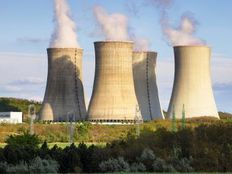
Nuclear power has enjoyed unique bipartisan support from the federal government across the Trump and Biden Administrations. However, states are also focused on supporting nuclear development. The state-level emphasis on nuclear comes as states vie for economic opportunities, including hosting data centers, while leaders are also sensitive to upward pressure on utility bills. Notable news from New York and Illinois this month can help pave the way for the addition of new nuclear capacity in those states.
New York Raises Nuclear Target
In a speech on January 13, New York Governor Kathy Hochul announced a target of five gigawatts (GW) of new nuclear capacity for her state. This is up materially from a goal last summer to add one GW of nuclear power. The new target follows a robust response to the New York Power Authority’s recent solicitations of interest from communities and developers for advanced nuclear power development.
New York plans to create a new nuclear workforce development program to support this effort. Currently, New York has three reactors operating with a combined capacity of 3.4 GW. The nuclear plants operating in the state are owned by Constellation Energy (CEG).
Illinois Lifts Moratorium on New Large Reactors
Illinois also saw a notable policy development for nuclear power this month. Governor JB Pritzker signed the Clean and Reliable Grid Affordability Act, which lifts the state’s moratorium on new large reactors. The ban on new reactors had been in place since 1987. State legislation in 2023 had previously allowed for new small modular reactors (capacity of 300 megawatts or less) to begin construction in 2026.
Despite the ban of the last 36 years, Illinois leads the U.S. in nuclear power. The state has six nuclear plants encompassing 11 reactors, all owned by CEG. This includes the Clinton Clean Energy Center, from which Meta (META) will purchase power over a period of 20 years beginning in 2027 (read more). More than half of the state’s power comes from its nuclear fleet.
The new bill in Illinois paves the way for the potential addition of large reactors in the future. New reactors would most likely be the Westinghouse AP 1000. In October, the U.S. government partnered with Brookfield and Cameco (CCJ) to support the deployment of the Westinghouse reactors. The partnership is targeting at least $80 billion of new AP1000 reactors across the U.S. CCJ owns 49% of Westinghouse, while Brookfield owns 51%.
CCJ and CEG are currently the top two constituents of the VettaFi Nuclear Renaissance Index (NUKZX). NUKZX is the underlying index for the Range Nuclear Renaissance Index ETF (NUKZ).
For investors interested in the global growth opportunity for nuclear power, NUKZX includes a diversified group of companies across the nuclear value chain. Constituents include utilities like CEG, as well as companies focused on fuel, advanced reactors, and construction and services (read more
Related Research:
Data Centers Embracing Nuclear, SMRs for AI Needs
Nuclear Support: Energy Policy Washington Agrees On
Power Crunch Sparks Northeast Gas Pipeline Revival
Looking for nuclear insights in your inbox? Subscribe here to keep a pulse on nuclear investing through our weekly research.
For more news, information, and analysis, visit the Nuclear Energy Content Hub.
vettafi.com is owned by VettaFi LLC (“VettaFi”). VettaFi is the index provider for NUKZ, for which it receives an index licensing fee. However, NUKZ is not issued, sponsored, endorsed, or sold by VettaFi. VettaFi has no obligation or liability in connection with the issuance, administration, marketing, or trading of NUKZ.

